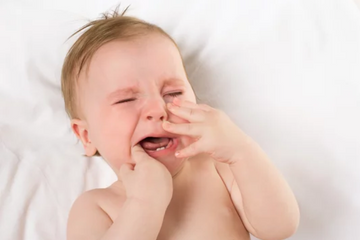
When your baby is clearly uncomfortable, it’s natural to look for fast relief.
Teething gels and numbing products are widely marketed as quick fixes for sore gums, but many parents wonder:
Are teething gels actually safe?
Do they work?
Are there better options?
Here’s what pediatric experts and medical organizations say about teething gels, plus safer, evidence-based ways to support teething discomfort.
For a full overview of safe day and night relief strategies, see our guide How to Soothe a Teething Baby.
What Are Teething Gels?
Most teething gels contain numbing agents such as:
-
Benzocaine
-
Lidocaine
-
Other topical anesthetics
These ingredients temporarily numb the gums.
While that may sound helpful, numbing the mouth in infants carries real risks.
Why Many Pediatricians Advise Against Teething Gels
The U.S. Food and Drug Administration (FDA) and the American Academy of Pediatrics (AAP) warn against using benzocaine products for infants and young children.
Key Concerns
1. Risk of Methemoglobinemia
Benzocaine has been linked to a rare but serious condition called methemoglobinemia, which reduces oxygen levels in the blood and can be life-threatening.
The FDA has issued multiple safety communications warning parents not to use benzocaine products for teething.
2. Short-Term Numbing Can Increase Injury Risk
When gums and mouth tissues are numbed, babies may bite harder without realizing it, increasing the risk of:
-
Gum injury
-
Tongue or cheek biting
3. Gels Are Easily Washed Away
Saliva quickly dilutes and removes gels, meaning any numbing effect is brief and inconsistent.
This often leads parents to reapply more frequently, increasing exposure.
Do Teething Gels Actually Work?
There is limited evidence that teething gels provide meaningful or lasting relief.
Most pediatric experts agree that simple mechanical pressure and comfort measures are more effective than topical numbing.
Safer Alternatives Pediatricians Recommend
According to the AAP and Mayo Clinic, safer teething relief options include:
✔ Gentle Pressure
Babies naturally seek pressure on sore gums.
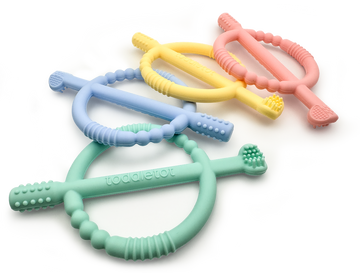
Firm silicone or rubber teethers allow babies to control pressure themselves, which often brings better relief than gels.
✔ Chilled (Not Frozen) Teethers
Cold can temporarily reduce inflammation.
Place a teether in the refrigerator briefly before offering.
Avoid freezing solid, as extreme cold can irritate gums.
✔ Clean Finger Gum Massage
Gently rubbing gums with a clean finger can provide immediate short-term relief.
✔ Comfort and Routine
Extra cuddles, babywearing, and maintaining predictable routines can help regulate discomfort.
What About Home Remedies?
Some commonly mentioned home remedies include:
-
Cold washcloths
-
Breastmilk or formula popsicles (in mesh feeders)
These may provide mild relief, but supervision is essential.
Avoid rubbing alcohol, honey, or herbal preparations not approved by your pediatrician.
When Medication May Be Considered
In certain cases, pediatricians may recommend infant acetaminophen or ibuprofen (age-appropriate dosing) for significant discomfort.
Always consult your pediatrician before using medication.
A Simpler, Safer Approach
Rather than numbing gels, most pediatric experts recommend focusing on:
-
Gentle pressure
-
Safe materials
-
Consistent comfort
If you’re looking for a simple, food-grade silicone teether designed for easy grip and gentle pressure, our Toothee™ Silicone Baby Teether was created to support natural chewing and independent soothing.
When to Call the Pediatrician
Contact your pediatrician if your baby has:
-
Fever over 100.4°F
-
Severe diarrhea
-
Persistent vomiting
-
Extreme irritability not relieved by comfort measures
These are not typical teething symptoms.
For help distinguishing teething from illness, see Teething vs. Sickness: How to Tell the Difference.
A Gentle Reminder
Teething discomfort is common.
It is temporary.
And it does not require harsh or risky solutions.
Simple, safe tools and consistent comfort go a long way.
For practical relief tips, visit How to Soothe a Teething Baby.
For an overview of what teeth come in when, see The Complete Baby Teething Timeline (0–24 Months.